

Many players use the phrase slot gacor to describe a game that seems to be paying well, but what actually happens inside a slot machine is often misunderstood. Behind the colourful reels and sounds, every modern slot is driven by mathematics and a random number generator. Understanding a few key ideas, such as return to player, volatility, and randomness, will not help you predict the next spin, but it will help you choose games wisely, set realistic expectations, and enjoy your sessions with a clearer mind. This article explains those ideas in plain language, without jargon or guesswork.
At the heart of every slot game is a random number generator, often shortened to RNG. This is a computer program that produces long sequences of random numbers, even when nobody is playing. When you press spin, the game takes the current numbers and turns them into a set of reel positions. Because the numbers change constantly, the outcome of each spin is independent of the one before it. A machine has no memory of your previous spins, your previous wins, or how long you have been playing. This is why a game cannot be hot or cold in any technical sense, even though it may feel that way during a session.
What RTP Really Means
Return to player, usually written as RTP, is a percentage that describes how much a game is designed to return to players over a very large number of spins. For example, a game with an RTP of 96 percent is designed to return 96 units for every 100 units wagered, on average, over millions of spins. The remaining share is the house edge, which is how the game provider earns revenue over time. It is important to understand that RTP is a long-term average, not a promise for your session. In a single evening of play, your personal return could be far above or far below that percentage, simply because short-term results vary a great deal.
Volatility: Why Games Feel So Different
Volatility, sometimes called variance, describes how a game’s payouts are spread out. A low volatility game tends to pay smaller wins more often, which creates a steady, gentle experience with fewer long dry spells. A high volatility game tends to pay less often, but when it does pay, the wins can be larger. Medium volatility games sit somewhere in between. Volatility does not change the overall RTP, but it changes the shape of your session: how often you win, how big those wins feel, and how quickly your balance moves up or down.
How Volatility and RTP Work Together
It helps to think of RTP as the destination and volatility as the road you take to get there. Two games can share the same RTP but feel completely different because one takes a smooth road with frequent small wins, while the other takes a bumpy road with rare large wins. Over millions of spins, both games return a similar share to players, but over a single session, your experience could be very different. Understanding this distinction prevents a common disappointment: expecting a high RTP game to pay steadily, when its high volatility actually means long quiet periods are normal.
Paylines, Ways to Win, and Bonus Features
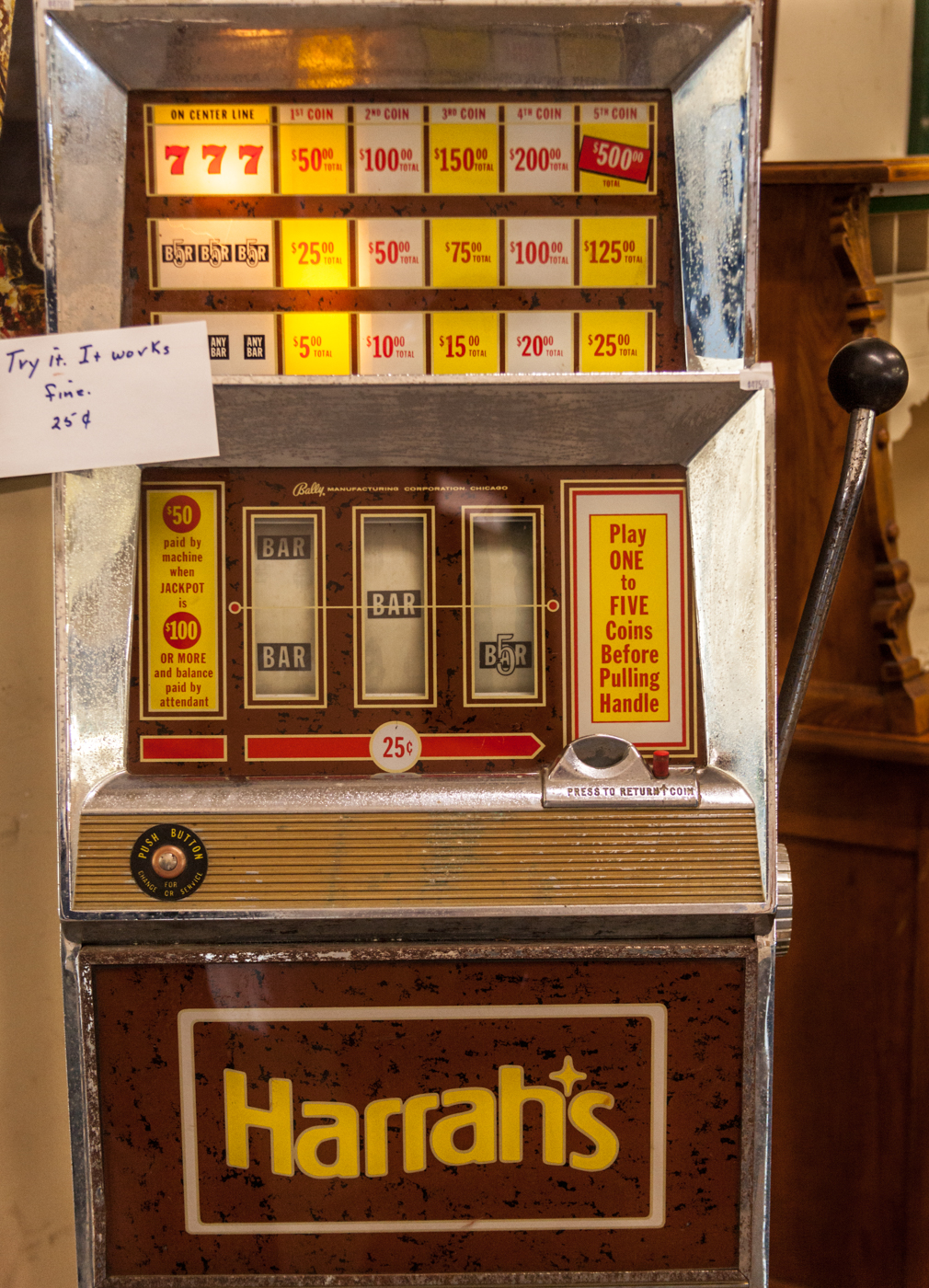
Older slot machines paid only when symbols lined up on a single central line. Modern games offer many more possibilities. Some use fixed paylines, which are set patterns across the reels, while others use ways to win, where matching symbols on consecutive reels from left to right count as a win regardless of their exact row. Cluster-based games go further, paying when groups of matching symbols touch each other. Each system changes how often wins occur and how the game feels, so it is worth checking which system your chosen game uses.
Bonus features add another layer of variety. Free spins rounds let you spin without using your own balance, often with added multipliers or special symbols. Wild symbols substitute for other symbols to complete wins, while scatter symbols usually trigger bonuses no matter where they land. Some games include pick-and-win rounds, expanding reels, or progressive features that grow over time. These features are designed to add excitement and variety, but they do not change the random nature of the game. A bonus round is simply a different way of presenting random outcomes, not a signal that the game has entered a generous phase.
Why Sessions Feel Hot or Cold
Human brains are excellent at spotting patterns, even when none exist. When a game pays several times in a row, it feels hot, and when it goes quiet, it feels cold. In reality, both patterns are normal outcomes of randomness. Short runs of wins or losses happen by chance, just as flipping a coin can produce several heads in a row. The feeling that a game is on a streak is real as an experience, but it does not predict what will happen next. Recognising this helps you avoid chasing losses or overstaying a session because you believe a win is due.
Making Smarter Choices as a Player
A smarter approach to slots starts with information and ends with discipline. Check the RTP and volatility if they are available, read the paytable, and choose a game whose style matches your mood and budget. Set a session limit before you start, keep your bet size steady, and treat wins as a bonus rather than an expectation. If a game stops being fun, switch games or take a break. There is no penalty for walking away, and there is always another session another day.
In the end, slots are best enjoyed as a form of entertainment with an element of chance. The more you understand about how they work, the less room there is for myths and frustration, and the more you can simply enjoy the themes, features, and excitement they offer. A well-informed slot gacor player is not someone who wins more often, but someone who plays with clear expectations, sensible limits, and a genuine appreciation for the game itself.
