

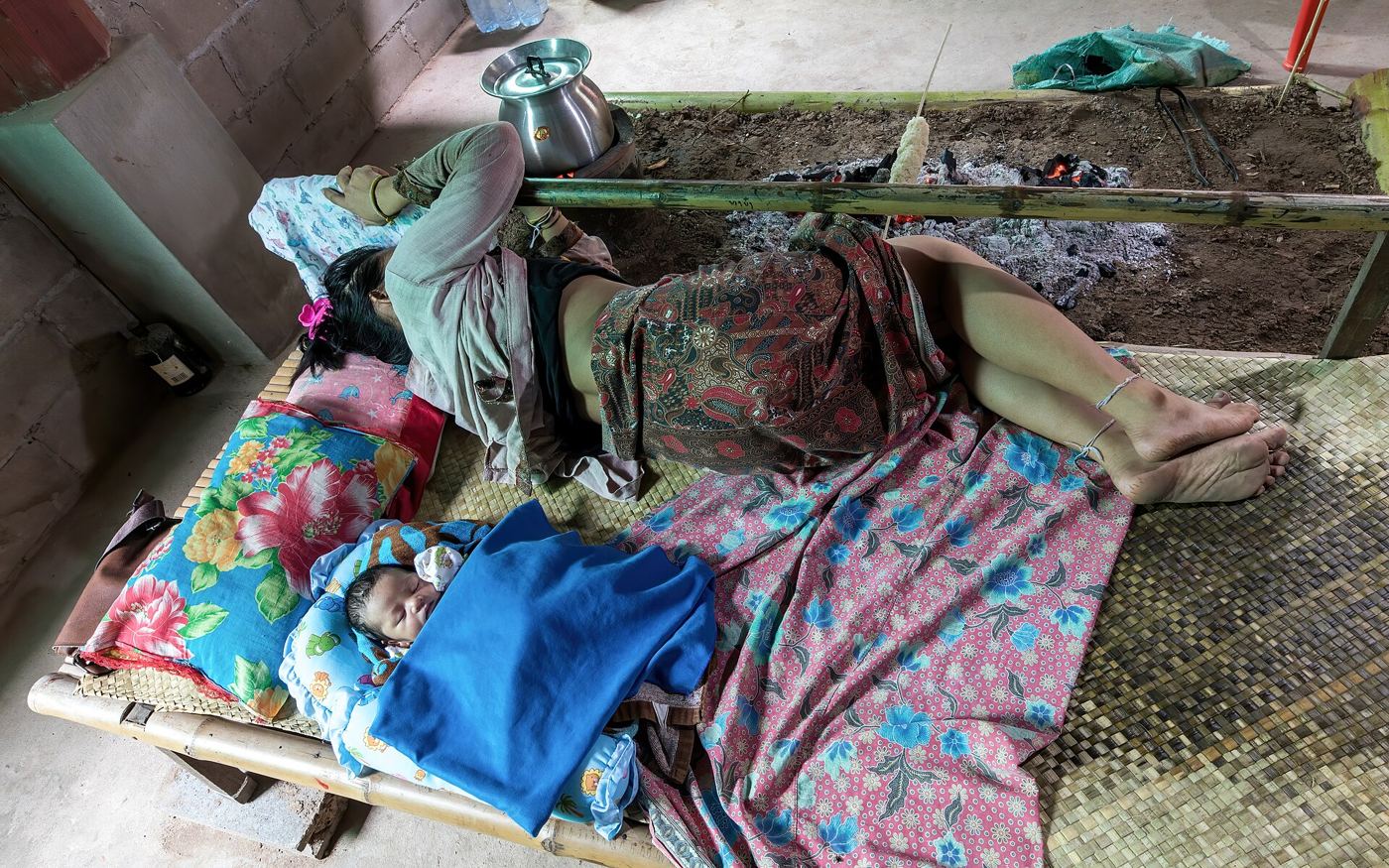
Sleep has become the most contested territory in health. Wearables grade it, apps coach it, and a booming market sells everything from temperature-controlled mattresses to blackout pods. Behind the marketing, sleep scientists say the fundamentals have barely changed — but our understanding of why sleep goes wrong, and what to do about it, has advanced quickly in the past few years.
The average adult still needs seven to nine hours, yet surveys suggest a third of adults regularly fall short. The consequences compound: impaired memory consolidation, weaker glucose control, higher cardiovascular risk and a shorter fuse for emotional regulation. Researchers now treat chronic short sleep less as a lifestyle quirk and more as a public-health exposure, comparable to a poor diet.
What the research actually supports
Among interventions, cognitive behavioural therapy for insomnia (CBT-I) has the strongest evidence, outperforming sleeping pills over the long term in trial after trial. Light exposure is the second lever: bright light soon after waking anchors the body clock, while dim evenings protect melatonin release. Temperature matters too — a cool bedroom, roughly 17 to 19 degrees Celsius, helps the core body temperature drop that initiates sleep. Summaries of the evidence, such as the external source, reach similar conclusions.
Newer work is refining the picture. Studies of “social jet lag” — the gap between weekday and weekend sleep timing — link irregular schedules to metabolic problems even when total sleep is adequate. Consistency, it turns out, may matter nearly as much as duration, a theme we return to in our science and world coverage.
Where the industry overpromises
Scientists are warier of the gadget layer. Consumer sleep scores are estimates, and some users develop anxiety about their numbers — a phenomenon researchers call orthosomnia — that itself worsens sleep. Supplements beyond melatonin have thin evidence, and even melatonin is a timing tool, not a sedative.
One area where consensus is hardening is adolescents. Teenage body clocks shift later by biology, not laziness, and school start times that ignore the shift measurably cost sleep, grades and mental health. Districts that moved start times later report improvements strong enough that paediatric associations now campaign on the issue — a rare case of sleep science changing public policy rather than just personal habits.
Employers are the newest converts. Fatigued workers make more errors, have more accidents and presenteeism costs that dwarf most wellness budgets, which is why nap-positive and meeting-free-late policies keep appearing in unlikely industries. The cultural script that treats sleep as the enemy of ambition is being rewritten by actuaries as much as by doctors.
The race to build a better night’s sleep will be won less by products than by habits: fixed wake times, morning light, cool dark rooms, and treatment for disorders such as sleep apnoea that no app can fix. The science is not glamorous, but it is increasingly clear — and it starts tonight, not with a purchase. More health reporting is on our front page.
