

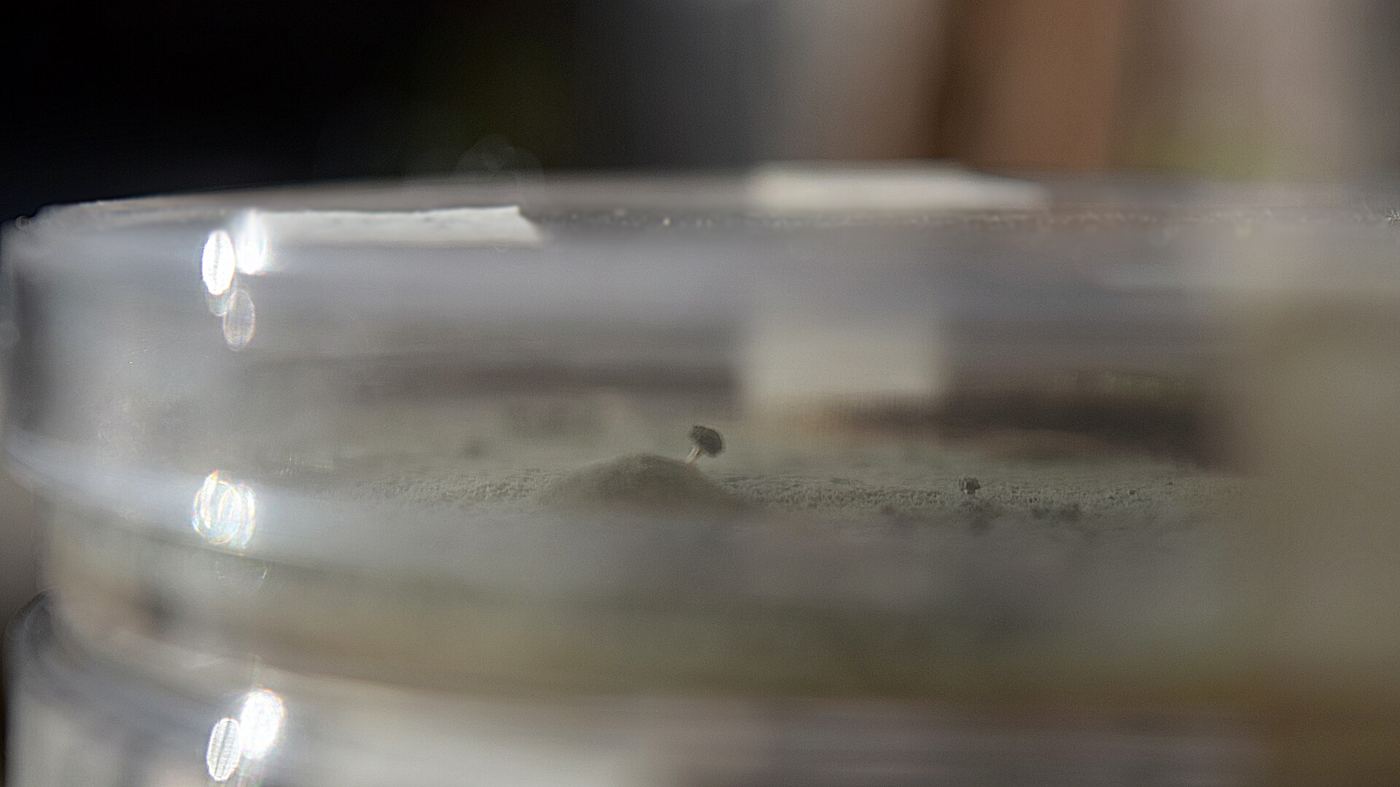
Studying the human brain has always been difficult, because it cannot be observed directly in a living person and animal brains differ from ours in important ways. Brain organoids, often called mini-brains, offer a new way in. Scientists grow them from human stem cells, guiding the cells to form small, three-dimensional clusters that develop the layered structure and cell types found in a real brain. The organoids are tiny, only a few millimetres across, and they do not think or feel, but they do show how brain cells grow, connect and respond to disease. Researchers use them to study conditions such as autism, epilepsy and Alzheimer’s disease, watching how the faulty development unfolds in the dish. Drug developers also test candidate medicines on organoids before trying them in people, looking for effects that would be missed in simpler cell cultures. The clusters even develop electrical activity that resembles the rhythms of a developing brain, though on a far smaller scale.
What the Evidence Shows
The models are still far from a real brain. An organoid has no blood vessels, no immune system and no connection to the rest of the body, so it cannot show how a disease affects a whole person. Scientists are working to add these missing parts, growing organoids alongside blood vessel cells and immune cells to make the models more realistic. There are also ethical questions, since some researchers worry about how far the models should be allowed to develop, and guidelines are being written to set clear limits. Even with those limits, the organoids have already changed how brain disease is studied, letting scientists watch human brain tissue develop and fail in real time. Researchers say the models will not replace clinical trials, but they can make those trials smarter by testing ideas first in the dish. Reporting and analysis from sources such as NASA track the same developments, and specialists following the laboratory-grown mini-brains say the direction is now consistent across independent lines of evidence.
The Wider Context
Funding bodies are watching the laboratory-grown mini-brains closely because the work sits at the junction of basic curiosity and practical return. Grant panels increasingly ask for a path from discovery to application, while researchers push back that the most valuable uses of fundamental science are rarely the ones written into the original proposal. The tension is productive when both sides stay honest about timescales.
What Happens Next
The long view on the laboratory-grown mini-brains is that fields advance by accumulation rather than by single announcements. This result adds a solid, checkable piece to a structure many teams are building, and its authors have shared their data so the piece can be tested from every side. That is how the picture eventually becomes reliable enough to act on. You can follow related developments in our coverage of science.
It is also worth remembering how quickly the picture in this area has changed before. Positions that looked settled a few years ago have been revised as new data arrived, and the same humility is appropriate now. The strongest coverage of this subject, and the most useful advice, tends to come from sources that update their views openly when the facts move, rather than defending an earlier position long after it has stopped fitting the evidence available.
