

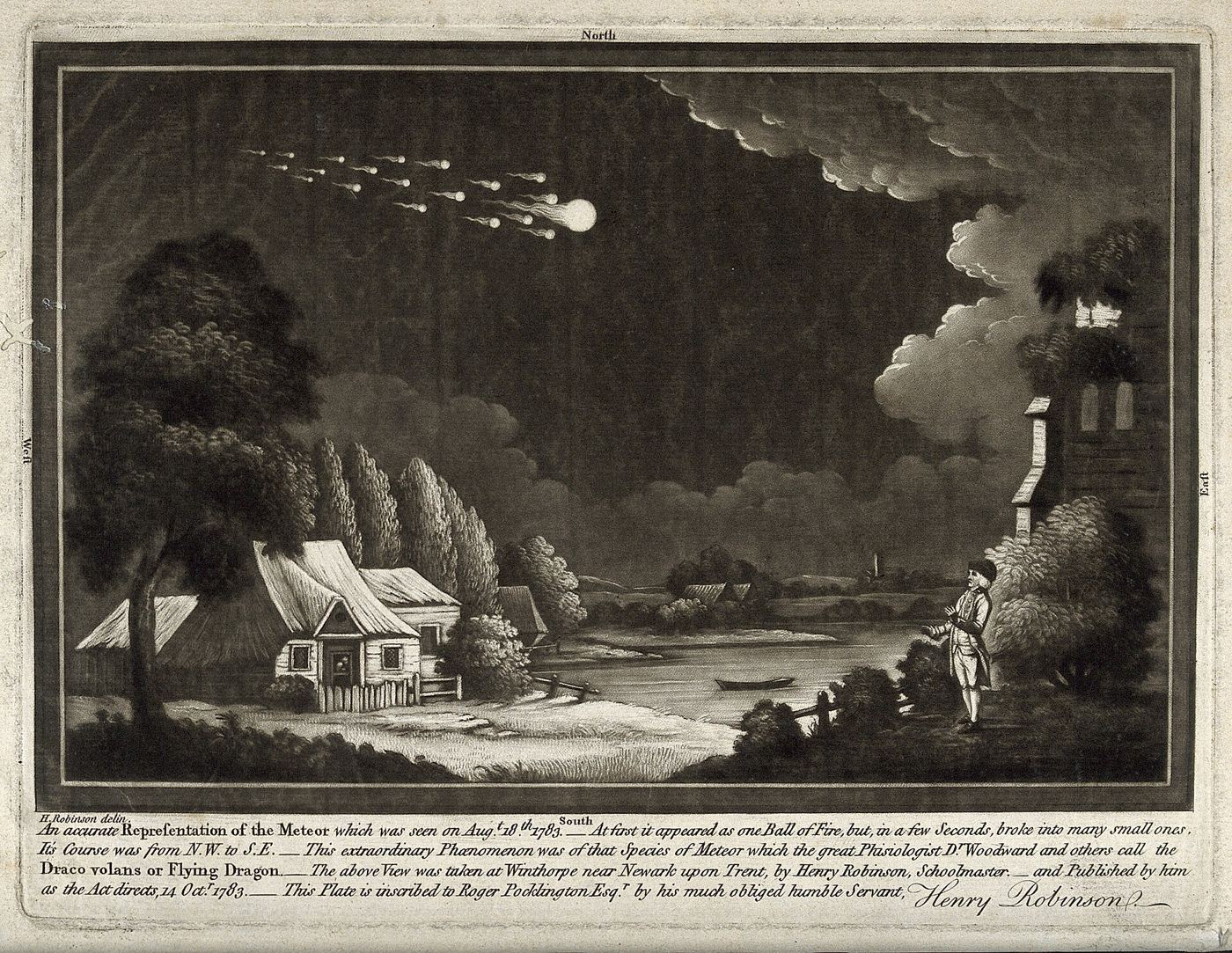
On certain nights of the year, the sky comes alive with shooting stars, sometimes dozens in an hour, sometimes hundreds, as the Earth passes through a trail of dust left behind by a comet. Each speck of dust is usually no larger than a grain of sand, but it strikes the atmosphere at tens of kilometres per second, heating the air around it until it glows white-hot and burns up in a streak of light. The great annual showers each have their own character: the Perseids of August are famous for bright, fast meteors, while the Geminids of December are known for sheer numbers. Because the dust trail stays in the same place in space, the shower returns on the same dates each year, and stargazers can plan for it months in advance. All that is needed is a dark sky, a clear night and a little patience. A comfortable chair, a warm drink and a dark sky are all the equipment a shower watcher really needs.
What the Evidence Shows
Astronomers study meteor showers for more than their beauty. The dust grains are fragments of comets and asteroids, and their paths reveal the history of those parent bodies as they circle the Sun. By counting meteors and measuring their speeds, researchers can map the density of the dust trail and predict when the Earth will pass through its thickest parts, which sometimes produces a storm of thousands of meteors in a single hour. Radar and cameras now record meteors automatically, building catalogues that help scientists spot new showers and track changes in old ones. For the public, the best advice is simple: find a dark place away from streetlights, let your eyes adjust for twenty minutes, and look up. No telescope is needed, and the brightest meteors are often the ones you were not expecting. Reporting and analysis from sources such as Nature track the same developments, and specialists following the meteor showers lighting up the night sky each year say the direction is now consistent across independent lines of evidence.
The Wider Context
The wider context is a research landscape in which replication and open data now decide reputations. Findings connected to the meteor showers lighting up the night sky each year are being checked by independent groups with shared datasets, and the teams involved publish their methods in full so rivals can test every step. That discipline is slower than a headline cycle, but it is why results in this area increasingly survive first contact with scrutiny.
What Happens Next
What happens next in the story of the meteor showers lighting up the night sky each year will be decided by follow-up work already under way: larger samples, longer observation and instruments that have not yet come online. The researchers involved are unusually united on one point, that the current results justify the next investment of time and money. Readers will not have to wait long for the first tests of that claim. You can follow related developments in our coverage of science.
None of this will be settled by a single announcement, study or product launch. The pattern to watch is accumulation: independent confirmations, honest reporting of failures and steady improvement in the underlying numbers. Readers who follow those signals, rather than the loudest claim of the week, will understand this subject better than most of the commentary surrounding it suggests is possible.
