

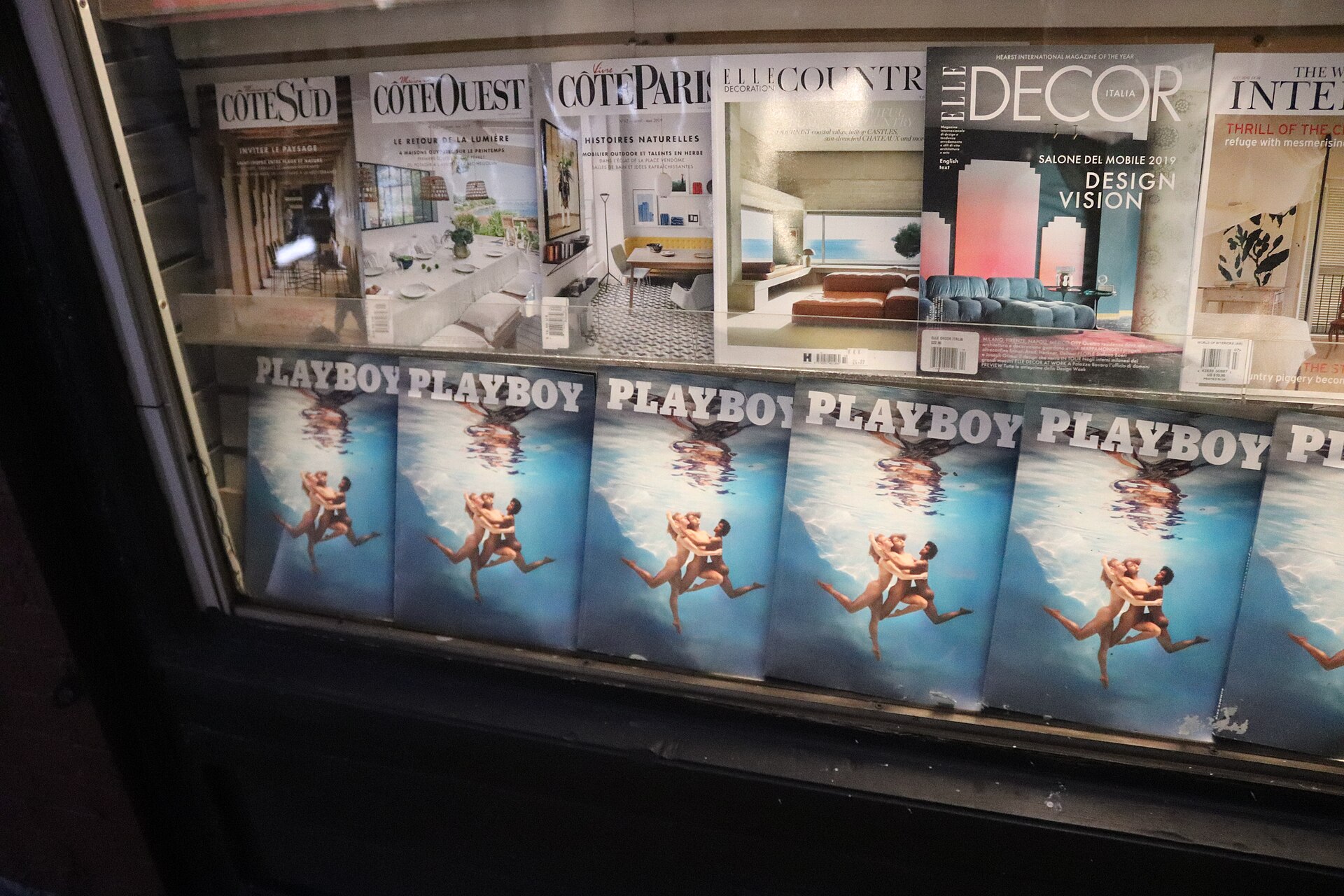
Not long ago, the print magazine was widely written off as a relic, destined to follow the fax machine into history. Yet on newsstands and coffee tables, something unexpected has been happening: carefully made print titles are finding new readers, new advertisers and, in some cases, new owners willing to revive brands that had closed years ago.
The revival is not a return to the mass circulations of the past. It is smaller, more deliberate and often more expensive, built around readers who treat a magazine as an object to keep rather than a feed to scroll. Publishers describe the shift as a move from disposable media to collectable media, and the numbers, while modest, point steadily in that direction.
Print as a Premium Object
Successful relaunches share common features: heavier paper, striking photography, longer articles and covers designed to be displayed. Independent titles lead the way, selling through bookshops, galleries and subscriptions rather than supermarkets. Their readers are often younger than the stereotype of the print loyalist, and many discovered the titles through social media before choosing to own them physically.
The appeal is partly a reaction to screen fatigue. Print offers a finished, edited package with a beginning and an end, at a moment when digital reading can feel endless. Our entertainment coverage has followed how publishers borrow techniques from books and vinyl records, using limited editions, special covers and subscriber-only extras to build loyalty.
The Business Case, Carefully Made
Print remains expensive to produce and distribute, so the new model depends on higher cover prices, premium advertising and direct relationships with readers. Advertisers, in turn, value the attention a kept magazine commands: an advertisement in a title that sits on a table for months works differently from one glimpsed for a second in a feed.
Media analysts writing for outlets such as The Guardian have noted that the strongest print performers tend to occupy a clear niche, from food and fashion to design and specialist sport, where expertise and beautiful presentation justify the price. General-interest titles competing with the entire internet face a far harder task.
What the Second Life Really Means
Nobody serious predicts that print will reclaim its old dominance, and many titles continue to close. The second life is selective: it rewards craft, distinctiveness and community, and it punishes anything that feels like a printed copy of a website. In that sense the revival says as much about digital publishing as about print, reminding the whole industry that editing is a value, not a cost.
The revival also has a geography. It is strongest in cities with dense networks of independent bookshops, design stores and cafés where a magazine can be discovered physically, and in countries with strong traditions of the illustrated press. Print runs remain small by historical standards, often in the thousands rather than the hundreds of thousands, but the economics work because the readers who remain are the readers who pay.
Publishers are careful, too, to make print and digital reinforce rather than cannibalise each other. The website carries news, community and commerce; the magazine carries the definitive, considered version of a subject, published quarterly or twice a year and designed to be kept. Treating the two editions as different products for different moments, rather than the same product in two wrappers, is the discipline behind most of the success stories.
For readers, the practical result is a richer choice. The magazine is no longer the default way to follow a subject, but for those who want depth without a screen it has become a considered purchase, closer to buying a book than catching up on a feed. That is a smaller future than the past, but as the shelves at Magazine Leak show each month, it is a real one.
