
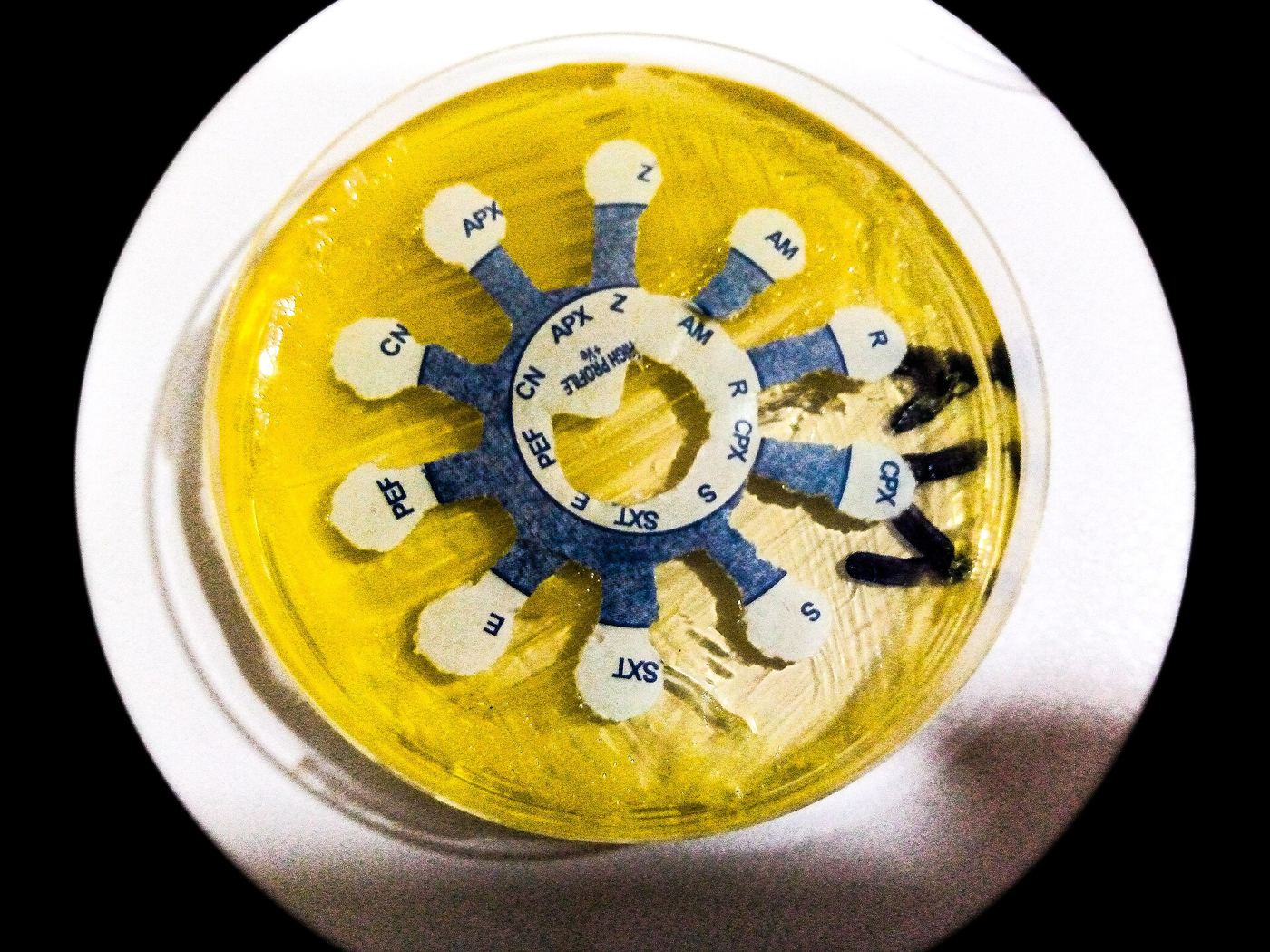
An engineered bacterium can turn a sugar found in plant waste into useful lipids, researchers at the Chinese Academy of Sciences reported on 23 November 2026. The team reworked a bacterium so it could grow on D-xylose, a sugar abundant in plant biomass that is usually left behind when crops are processed. The microbe converts the sugar into lipids, the fatty molecules used in foods, cosmetics and fuels. During the work, the researchers found that a native enzyme was diverting some of the sugar into an unwanted byproduct, and they adjusted the strain to keep more of it on the path to lipids. The result is a step toward making valuable products from agricultural waste rather than from food crops or fossil fuels.
What the Evidence Shows
The approach matters because plant waste is plentiful and cheap, while the lipids industry still relies heavily on palm oil and petroleum. Using microbes to convert waste sugars into fats could cut pressure on farmland and forests, and it could give farmers a new market for crop residues. The researchers say the next challenge is raising yields and proving the process works at industrial scale. The work is part of a wider push to build a bioeconomy in which bacteria and fungi turn waste into food, materials and fuel. If the technology scales, a sugar that is now thrown away could become a raw material for everyday products. Reporting and analysis from sources such as Nature track the same developments, and specialists following the engineered bacterium that turns xylose into lipids say the direction is now consistent across independent lines of evidence.
The Wider Context
The wider context is a research landscape in which replication and open data now decide reputations. Findings connected to the engineered bacterium that turns xylose into lipids are being checked by independent groups with shared datasets, and the teams involved publish their methods in full so rivals can test every step. That discipline is slower than a headline cycle, but it is why results in this area increasingly survive first contact with scrutiny.
What Happens Next
What happens next in the story of the engineered bacterium that turns xylose into lipids will be decided by follow-up work already under way: larger samples, longer observation and instruments that have not yet come online. The researchers involved are unusually united on one point, that the current results justify the next investment of time and money. Readers will not have to wait long for the first tests of that claim. You can follow related developments in our coverage of science.
None of this will be settled by a single announcement, study or product launch. The pattern to watch is accumulation: independent confirmations, honest reporting of failures and steady improvement in the underlying numbers. Readers who follow those signals, rather than the loudest claim of the week, will understand this subject better than most of the commentary surrounding it suggests is possible.
