

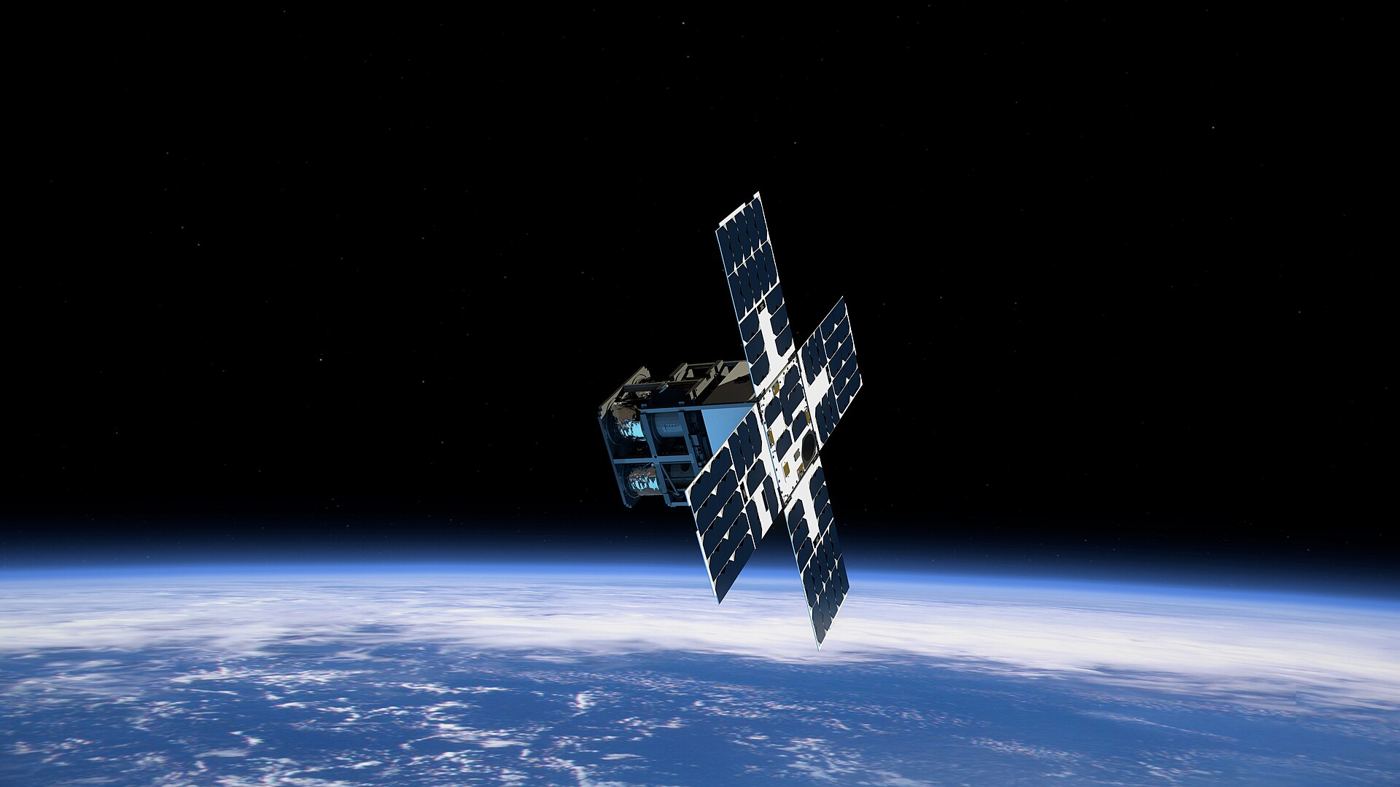
Scientists have discovered a surprising obstacle to interstellar travel: at extreme speeds, the light propelling futuristic solar sails could actually begin slowing them down. The finding was reported on 22 November 2026. Solar sails work by catching light from a laser or the Sun, using the tiny push of photons to accelerate a spacecraft without carrying fuel. In theory, a sail could reach a large fraction of the speed of light. But new research shows that once a spacecraft passes about 75 percent of the speed of light, some of the scattered light begins to push backwards, acting as a brake rather than an engine.
What the Evidence Shows
The result matters because several projects, including Breakthrough Starshot, plan to send tiny sail-driven probes to nearby stars at a fifth of the speed of light or more. At those speeds the braking effect is small, but it sets a ceiling on how fast a light sail can ever go, and mission planners will need to account for it. The physics is a reminder that even light, the fastest thing in the universe, does not give a free ride. Engineers may need to design sails that scatter less light backwards, or accept that the dream of near-light-speed travel has a speed limit built into the light itself. Reporting and analysis from sources such as NASA track the same developments, and specialists following the solar sail speed limit say the direction is now consistent across independent lines of evidence.
The Wider Context
Funding bodies are watching the solar sail speed limit closely because the work sits at the junction of basic curiosity and practical return. Grant panels increasingly ask for a path from discovery to application, while researchers push back that the most valuable uses of fundamental science are rarely the ones written into the original proposal. The tension is productive when both sides stay honest about timescales.
What Happens Next
The long view on the solar sail speed limit is that fields advance by accumulation rather than by single announcements. This result adds a solid, checkable piece to a structure many teams are building, and its authors have shared their data so the piece can be tested from every side. That is how the picture eventually becomes reliable enough to act on. You can follow related developments in our coverage of science.
It is also worth remembering how quickly the picture in this area has changed before. Positions that looked settled a few years ago have been revised as new data arrived, and the same humility is appropriate now. The strongest coverage of this subject, and the most useful advice, tends to come from sources that update their views openly when the facts move, rather than defending an earlier position long after it has stopped fitting the evidence available.
